
This is part of a year-long series. Find out more about this series here.
John 2:14-17 | Cleansing the temple
The Passover of the Jews was at hand, and Jesus went up to Jerusalem. 14 In the temple he found those who were selling oxen and sheep and pigeons, and the money-changers sitting there. 15 And making a whip of cords, he drove them all out of the temple, with the sheep and oxen. And he poured out the coins of the money-changers and overturned their tables. 16 And he told those who sold the pigeons, “Take these things away; do not make my Father’s house a house of trade.” 17 His disciples remembered that it was written, “Zeal for your house will consume me.”
John’s Gospel is significantly different from Matthew, Mark, and Luke. One of those differences is John’s decision to present the story of Jesus cleansing the temple in chapter 2, which is much earlier than its placement in the other three. What does John wish to communicate by doing this?
The cleansing of the temple is Jesus’ first interaction with ‘the Jews’ (John’s term for those who oppose Jesus) that elicits a conflict. The clash is visually centered around temple operations and conflict, but these two things are an outgrowth of a deeper, non-visual, issue within the hearts of the Jews.
The Jews had established a trade network of convenience and personal gain. This system serviced an actual need, for many people were not able to bring their sacrifices with them due to the length of their journey. However, the placement of the trade network was the problem. It was set up in the Court of the Gentiles, which was the only part of the temple complex gentiles were allowed to worship. This severed the access gentiles had to worshipping God in His house. In doing this, the Jewish leaders showed disregard for gentiles within the worship setting.1
The trade network disrupted God’s intended atmosphere for His house. Jesus’ choice of words for His indictment is curious. John quotes Jesus as saying “do not make my Father’s house a house of trade.” This is different from the other Gospels, which use “house of thieves.” Trade encompasses more than thievery. Trade is business, whereas thievery is, well, theft. Conducting business is a good thing. Thievery is sinful (Exodus 20:15). But business is not to be conducted within the temple. The temple is God’s dwelling place amongst His people, and it is to be reserved as a dedicated space for all God’s people to meet Him (1 Kings 8).
The trade network was birthed from the hearts of religious leaders who were more concerned with implementing a system that met a perceived opportunity and allowed for personal gain. This is contrary to God’s intention for His house. Jesus is committed to His Father’s vision for His house, which is why Jesus drove out this network.
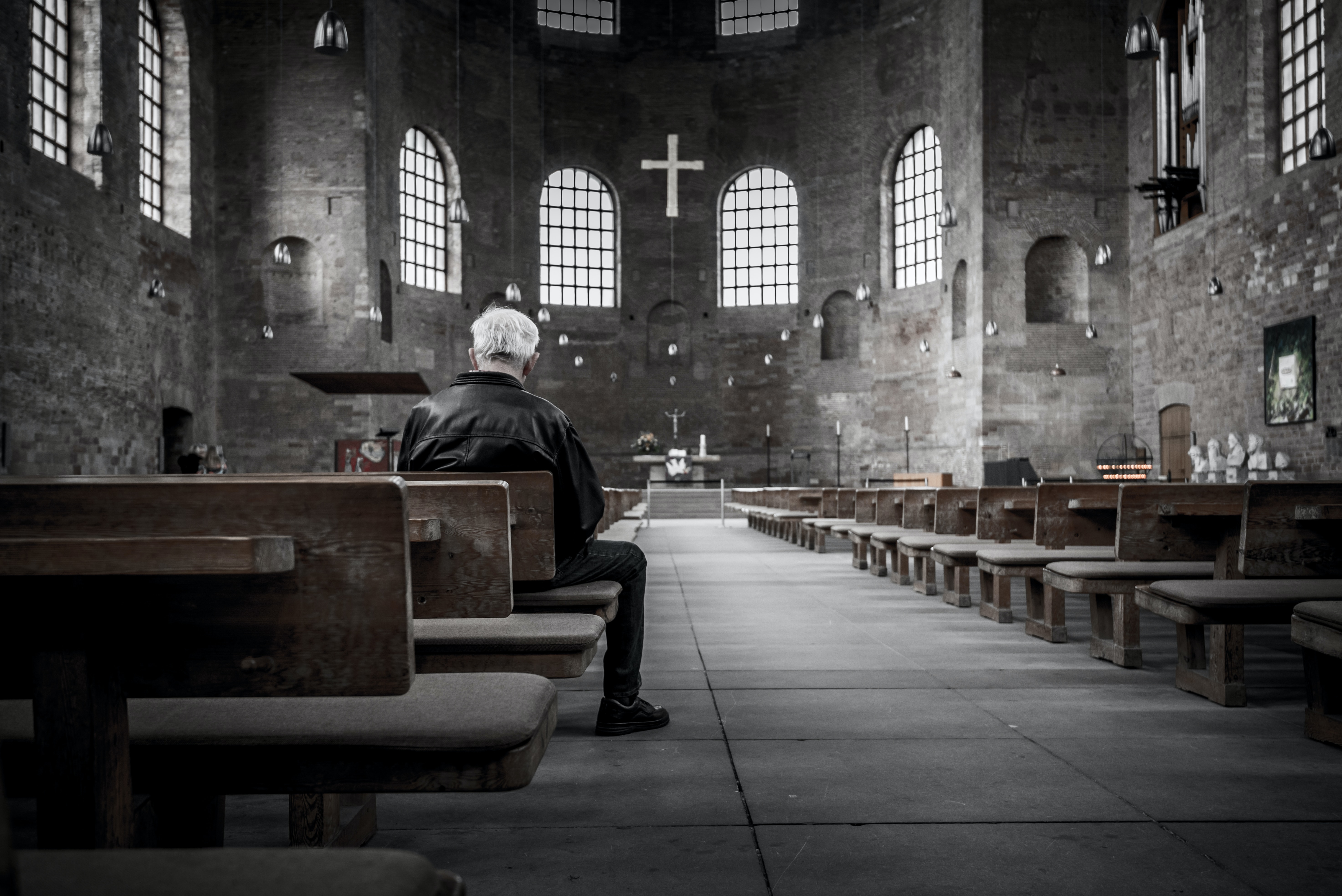
Jesus had zeal for His Father’s house, and I wonder if we share that zeal. Do we care about preserving God’s intended structure and conduct within His house? Or are we content to modify God’s church to meet opportunities and end up with some personal gain?
- Colin G. Kruse, John: An Introduction and Commentary, Vol. 4 of Tyndale New Testament Commentaries, IVP/Accordance electronic ed., Downers Grove: InterVarsity Press, 2003, 100. ↩︎
Leave a Reply