
This is part of a year-long series. Find out more about this series here.
Matthew 4:16 ESV
“the people dwelling in darkness have seen a great light, and for those dwelling in the region and shadow of death, on them a light has dawned.””
I have been working through Matthew in Greek in order to increase my skill with the language and prepare for a seminary exam later this year, and I was struck by a the phrase the people walking in darkness in this verse.
But, before we dive into that phrase, let me provide some of the literary context for this verse because it helps us see the beauty that is somewhat obscured.
Matthew 4:15-16 refers back to Isaiah 9:1-2, & 42:7. The book of Isaiah has a number of overarching themes. One is the rebellion of Judah against God; another is God’s plan of restoration of His people from exile. Chapters 9 and 42 fit into this second theme of restoration. In these chapters, God tells His people that He will intervene, and they will experience deliverance — both from their immediate circumstances in Isaiah’s day as well as in a broader, overarching way from sin, which alienates them from God. Thus, Matthew is associating Jesus living in the land of Capernaum (Mtt. 4:12-14) as the means by which God’s promises in Isaiah 9:1-2 & 42:7 are going to be fulfilled. Matthew wants his readers to understand the big picture of what God’s plan of restoration is and how He is implementing it.
With that said, let’s move to the phrase the people walking in darkness.
The construction in Greek is “ὁ λαὸς ὁ καθήμενος ἐν σκότει” (ho laos ho kathēmenos en skotei), and we will look at the picture these words paint.
ὁ λαὸς (ho laos) means the people, and it is often used to describe a group of people who share a common language and ethnicity.
ὁ καθήμενος (ho kathēmenos) is a verbal adjective (a participle), which means it conveys both description and action. It means the ones sitting.
ἐν σκότει (en skotei) means in darkness, and it tells us where the the people are sitting. This is the same word used in John 1:5.1
When working in conjunction with each other, these words communicate something surprisingly strong: the people who live in “Galilee of the Gentiles” (Mtt. 4:15) are “enveloped in darkness” and “cannot walk about”.2
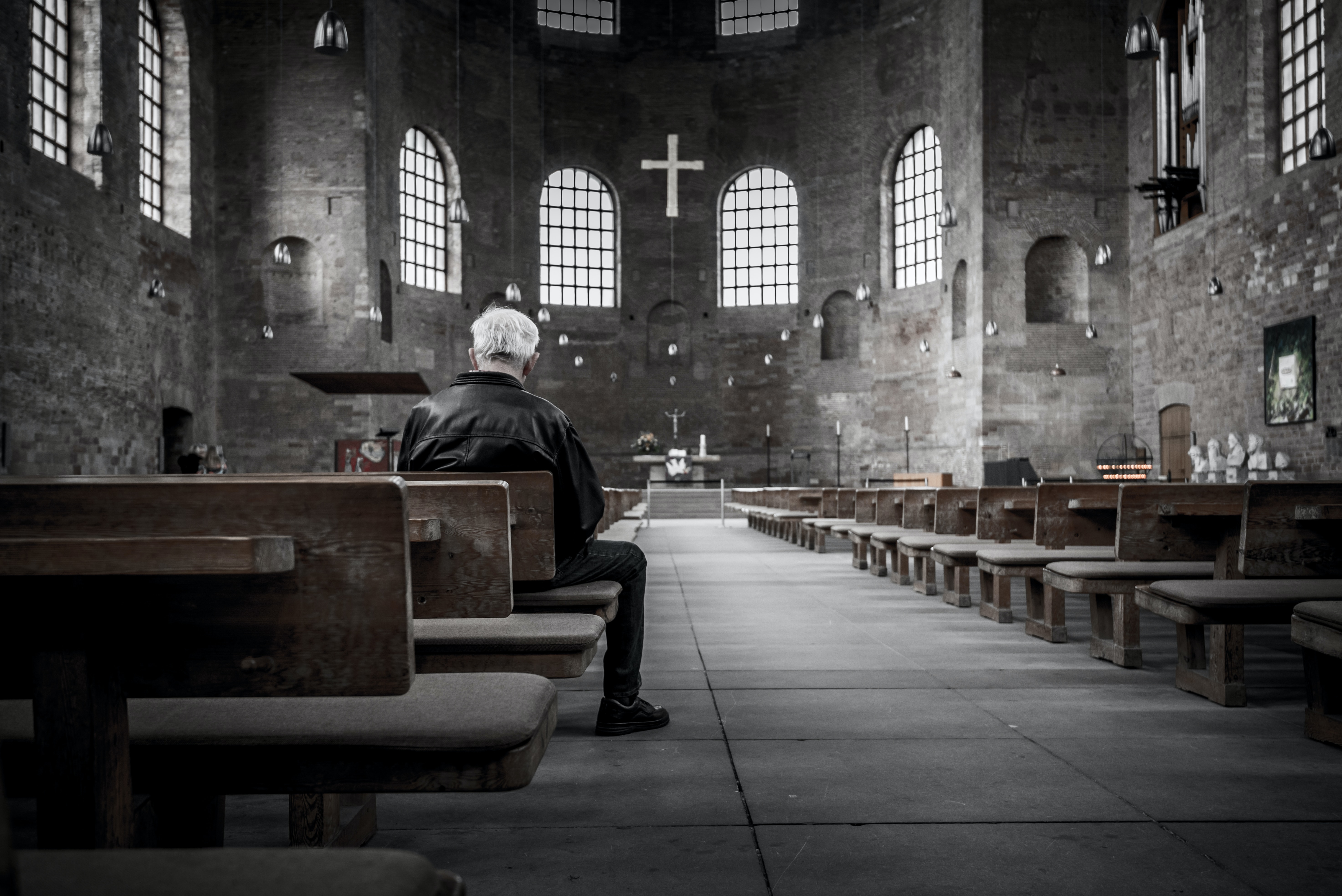
It is a powerful description of despair; a despair that stems from more than just being occupied by the Romans. It encompasses the despair of being separated from God because of sin. In the early chapters of his Gospel, Matthew identifies Jesus as God’s instrument of restoration for the problems described in Isaiah. God not only addresses geo-political despair in Isaiah’s day and the First Century, but He also addresses the despair that is common to all humanity: all people are enveloped in darkness and cannot walk about because of it, but Christ is the light that brings restoration where there was previously despair.
Footnotes
- “The light shines in the darkness, and the darkness has not overcome it.” ↩︎
- Greek-English Lexicon of the New Testament, s.v. “καθῆμαι,” paragraph 5095. ↩︎


Leave a Reply