
This series is designed to help people better understand the Bible and how it speaks to us. Read the series Introduction post to learn how this series is designed to help you.
Now that we’ve reviewed when the Bible was written, let’s talk about how the Bible came to be in its modern form.
How Did We Get Our Modern Bible?
So the Bible is Special Revelation, consisting of God’s self-revelation to humanity, His testimony about Who He is and what He’s done (and will do), all communicated through one overarching story with God at the center. But how did it come to be written down, copied, translated, and printed as we know it today? Let’s take a look.
Inspired
The Bible does not record everything God or His people have ever done. Rather, it records specific interactions between God and His creation, and events He wanted recorded. What was Jesus’ childhood like? We don’t know. What did Abraham (formerly Abram) do for the first 75 years of his life? Again, we don’t know. What we do have, then, is the information God wants us to have that tells us what He wants us to know about Himself and ourselves. God did this by divinely inspiring human writers (Moses, Jeremiah, Matthew, Paul, etc.) to record this revelation, this testimony, this story, so we would have the information God wanted us to have. The Old Testament was written in Hebrew (a small portion in Aramaic), and the New Testament was written in Greek.
Copied
As God inspired humans to record these events, His people did this through both oral and written tradition. The first alphabet appeared around 1600 B.C. (sometime between Abraham and Moses), which made writing an account of events significantly easier. This writing was not in books, but rather onto tablets or scrolls. Each original scroll would then be diligently copied so as to ensure its preservation.
Translated
The Old Testament was written in Hebrew (and some Aramaic) and translated into Greek in the 2nd and 3rd centuries B.C. This translation is called the Septuagint and is often abbreviated as LXX because 70 scholars worked on the translation (LXX being the Roman numerals for 70). The New Testament was written in Greek during the 1st century A.D. Eventually the entire Bible was translated into Latin, which is known as the Vulgate. This Latin translation was used by the western Church for nearly 1,000 years. Portions of the Bible were translated into English by John Wycliff in the 14th century A.D., and William Tyndale in the 16th century A.D. Eventually, the entire Bible was translated into English in the Geneva Bible and then the King James Bible. Scholars continue to work on translations today. Modern English translations include the New American Standard Bible (NASB), the New International Version (NIV), the New Living Translation (NLT), the English Standard Version (ESV), and many others.
Printed
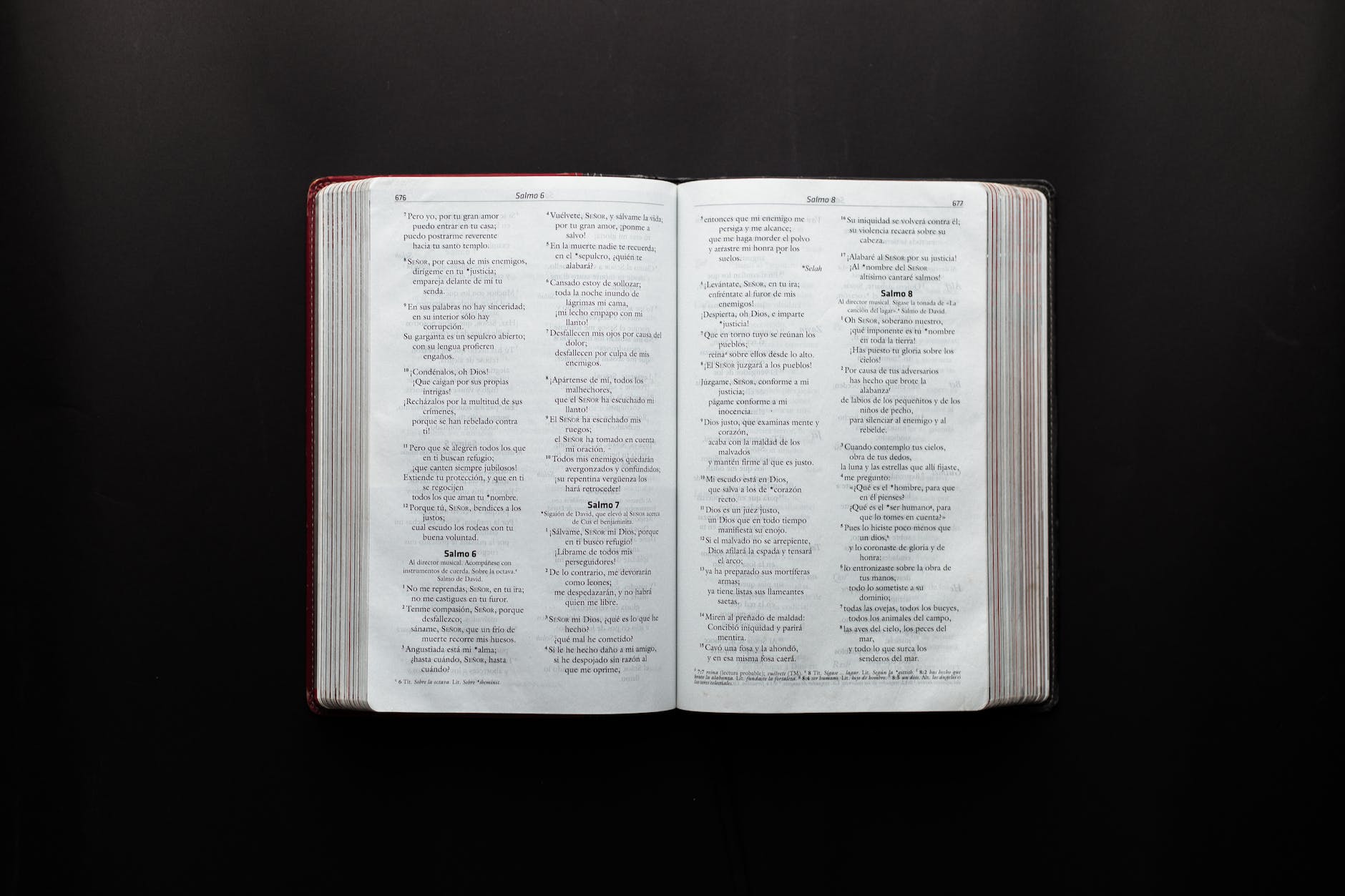
the Bible was copied by hand until the invention of the printing press in the 15th century A.D. Once available, the printing press greatly increased the rate and accuracy at which copies could be produced. This combination of translation and printing has made the Bible, God’s Special Revelation, more accessible and understandable to people around the world.
A Debt of Gratitude
As I think about this process, from the initial writings of the Biblical writers, to the copying of manuscripts, to the printed Bible in my hand, I cannot help but feel grateful; grateful to those who diligently worked through the centuries to preserve and protect God’s Word. However, I am far more grateful to God, who cares about us so much to ensure we have access to His Word.
Hallelujah and Amen!
Happy Bibleing!
Leave a Reply to Bibleing 101 | Series Introduction – Get More MinistriesCancel reply